Starting January 8, the public is invited to visit the exhibition “Shadows of the Landscape” by Portuguese artist Ânia Pais, open until January 31, 2026.
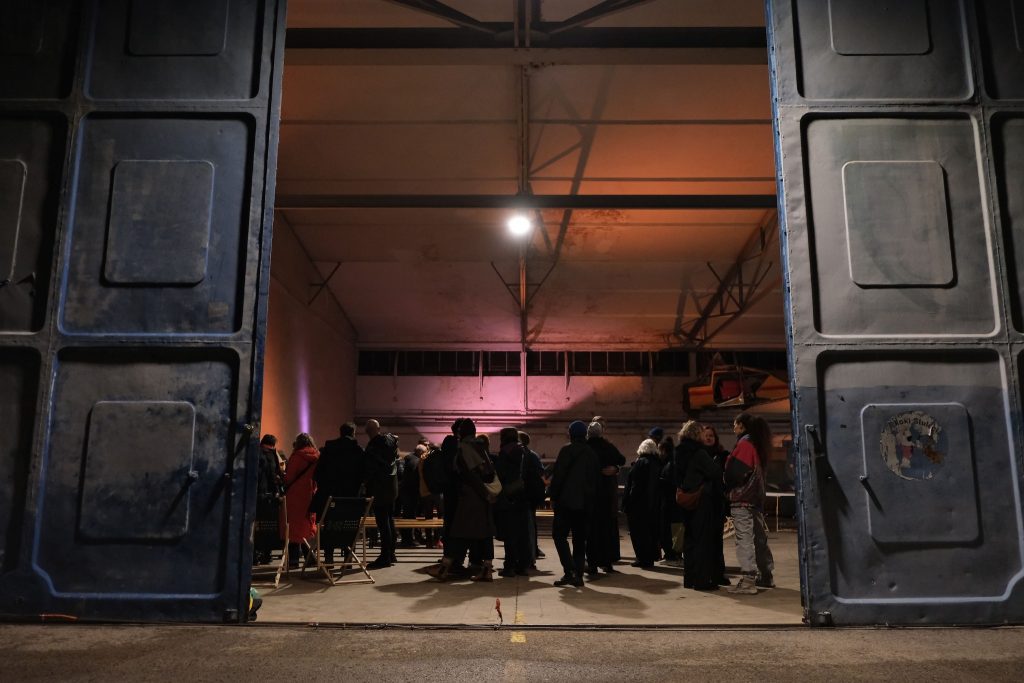
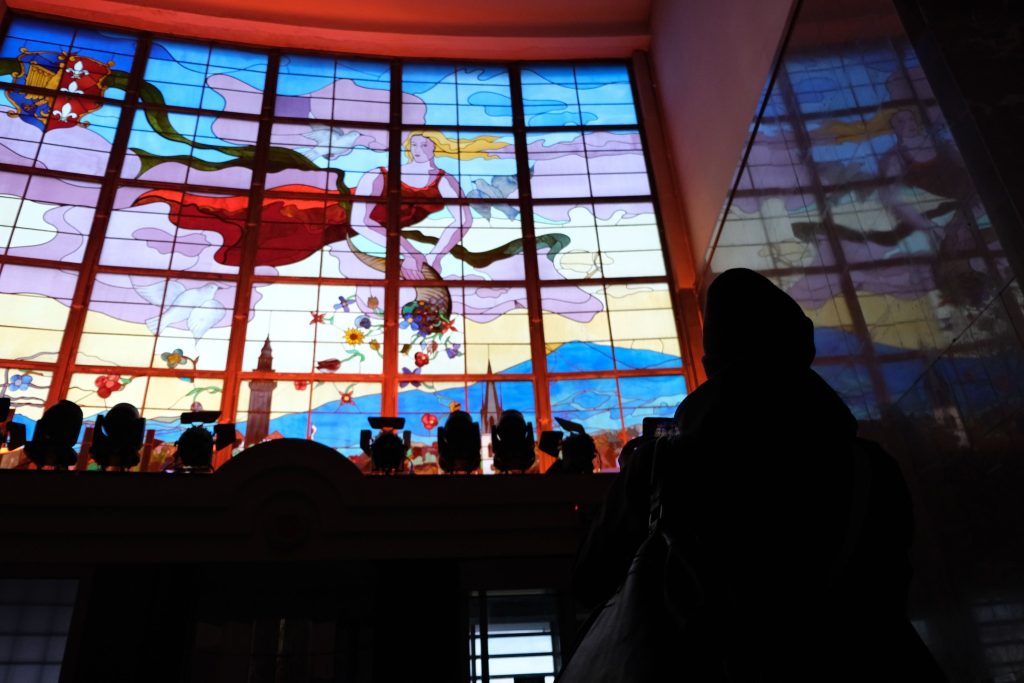
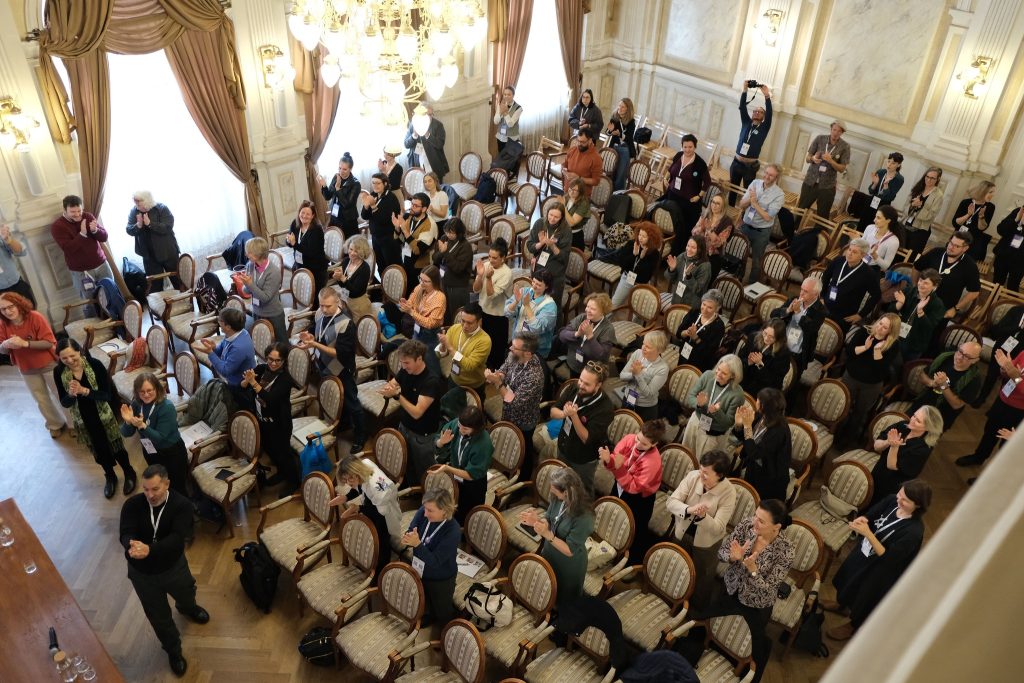
The latest Culture Next Conference, held in Bielsko-Biała, Poland, brought together city representatives, cultural networks, and experts from both within and outside the network (including Australia and Japan). The discussions focused on culture’s contribution to community well-being, the strengthening of international collaboration, and how cities can work together to develop sustainable cultural policies.
International guests included Prof. Christina Davies from Perth, Australia, and Jiro Kogi, Deputy Secretary General of the EU–Japan Fest Japan Committee—marking the first time Japan has participated in a Culture Next event.
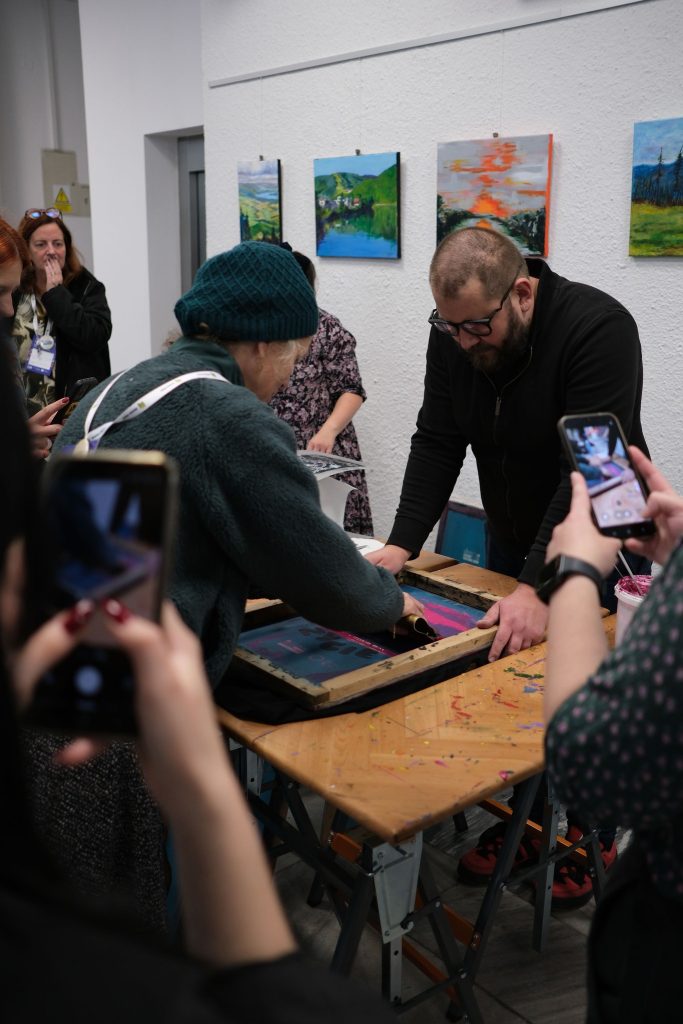
Prof. Davies is the Director of the Centre for Arts, Mental Health and Wellbeing in Western Australia, bringing over 20 years of experience in developing projects designed to enhance mental health through artistic intervention. The presence of these two guests reflects Culture Next’s growing global partnerships and the network’s vital role within the European Capitals of Culture (ECoC) ecosystem. Over the course of two days, the conference hosts in Bielsko-Biała curated a series of experiences dedicated to cultivating well-being, such as guided meditation in nature, cold-water therapy, movement, and music. Perhaps the most moving moment of the conference occurred when a community choir, composed of individuals facing mental health challenges, performed for the participants.
To conclude the event, during the official handover ceremony, representatives from the host city presented a miniature weaving loom to the organizers of the next Culture Next conference, the city of Larnaca. This meeting also laid the groundwork for the first Culture Next Summit, which is set to take place on November 3, 2025, at the European Parliament in Brussels.
The Culture Next Summit
The Summit will bring together Members of the European Parliament (MEPs) representing countries and cities within the Culture Next network, alongside prominent European cultural organizations such as United Cities and Local Governments (UCLG), Culture Action Europe, and the European Festivals Association. Discussions will center on three core themes:
- The inclusion of a Sustainable Development Goal (SDG) for Culture in the upcoming United Nations Development Agenda;
- The reform of the European Capitals of Culture (ECoC) program, focusing on how cities can be better supported in developing long-term cultural legacy initiatives;
- Culture Compass, a collaborative tool designed for cultural development and cooperation among European cities.
Culture Next: 47 Members Across 22 Countries
The Culture Next network currently comprises 47 member cities from 22 countries, consisting of 28 full members and 19 observer members.
- 16 have been, are, or will be European Capitals of Culture;
- 18 have previously been candidate cities;
- 13 are currently in the bidding process.
Of these 47 cities, 41 are located within European Union member states, while 6 are from outside the EU: Novi Sad (Serbia), Leeds and Bradford (UK), Nikšić (Montenegro), Odesa and Rivne (Ukraine).
Together, these member cities represent an estimated population of 11.4 million—a figure larger than the individual populations of Hungary, Austria or Croatia.