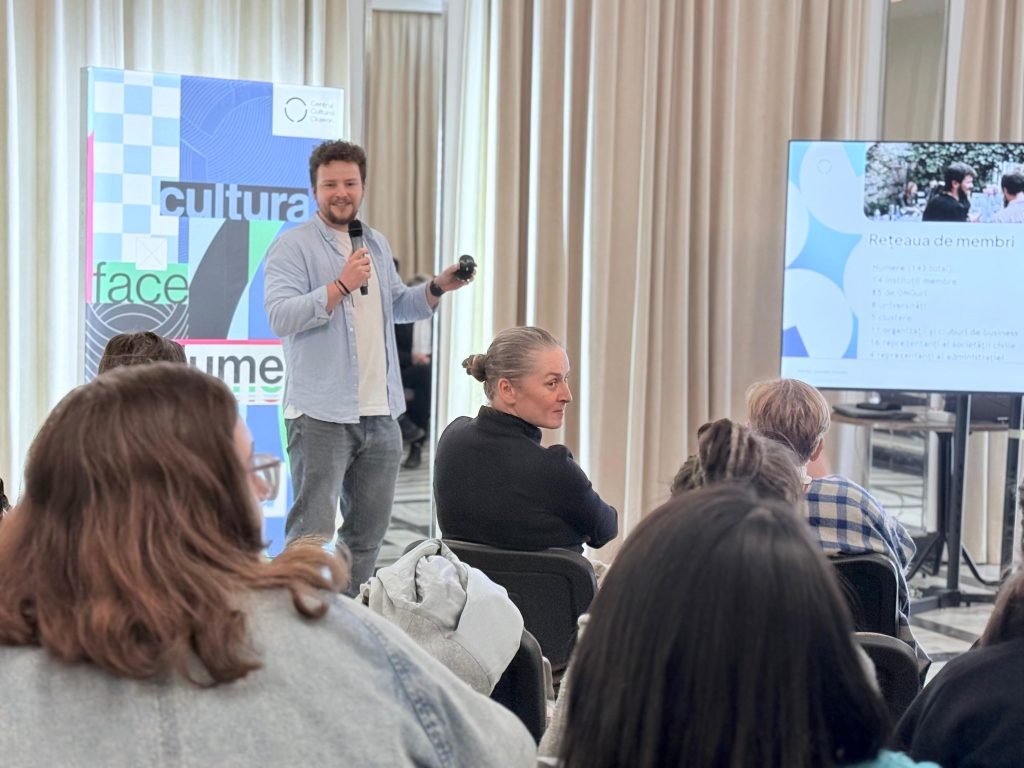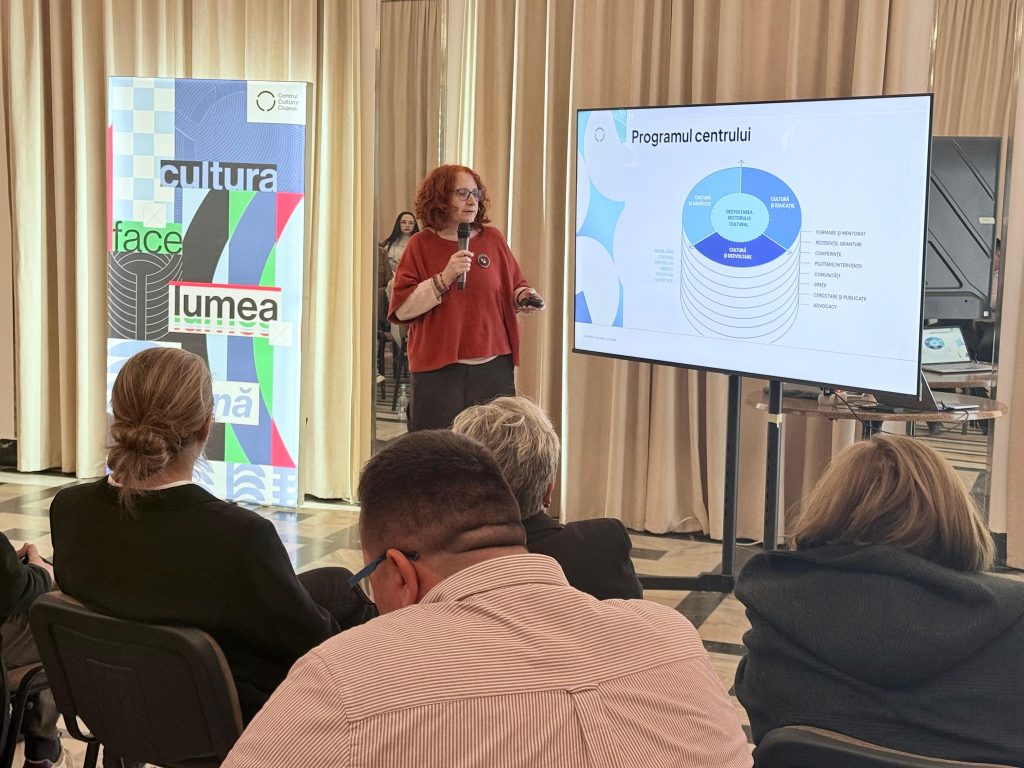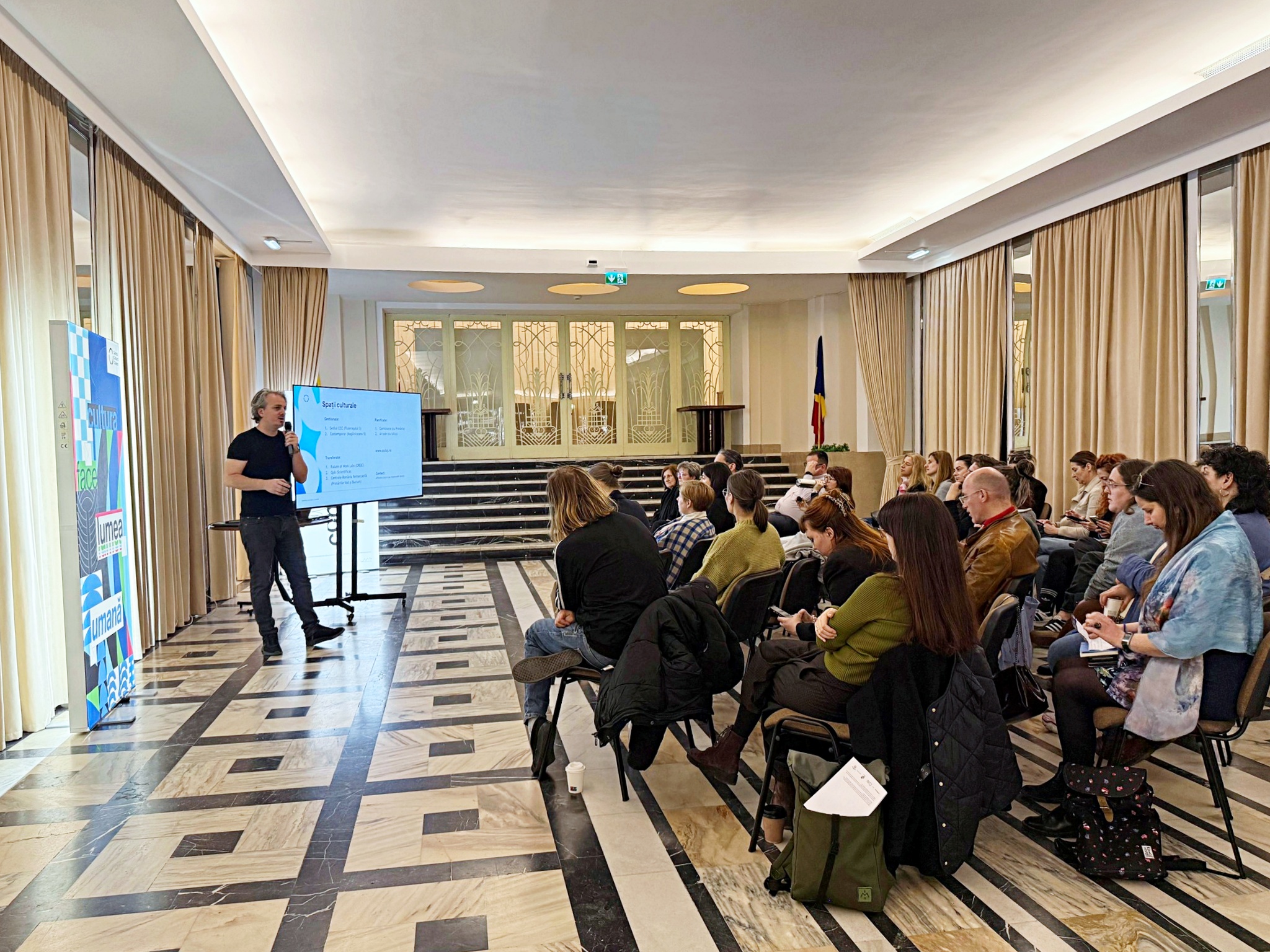
The recent Open Projects Day brought together member organizations from the Cluj Cultural Centre (CCC) community, as well as cultural operators interested in forging new partnerships. The event served as a platform to showcase ongoing initiatives and explore ways for organizations to get involved in the network’s projects.
Participants reviewed the recurring opportunities provided by the CCC, including training programs, mentorship sessions, artistic residencies, and available grants. The session also clarified the specific procedures for accessing these resources.
Cross-Sectoral Pillars: Culture at the Intersection of Health and Education
A significant portion of the event was dedicated to activity pillars that bridge culture with other essential sectors:
- Culture & Health: Discussions centered on existing national best practices and the potential for developing new initiatives. The success of this field was illustrated by the “Art, Health, and Well-being” call, which attracted 96 applications and resulted in the support of 6 national initiatives with a total budget of €24,000.
- Culture & Education: Through the “Schools’ Community” network—which currently includes 57 educational institutions—the CCC presented workshops focused on student well-being and teacher training programs, highlighting a continuous openness to ideas from local organizations.
A Growing Network and Shared Resources
The CCC community currently consists of 143 member organizations. The dialogue emphasized the benefits of the “Cluj în comun” (Cluj in Common) program, a resource-sharing system designed to circulate internal resources to support the entire community.
Additionally, two private funding mechanisms were highlighted:
- Cultura Face Bine: The platform connecting the cultural sector with the business community.
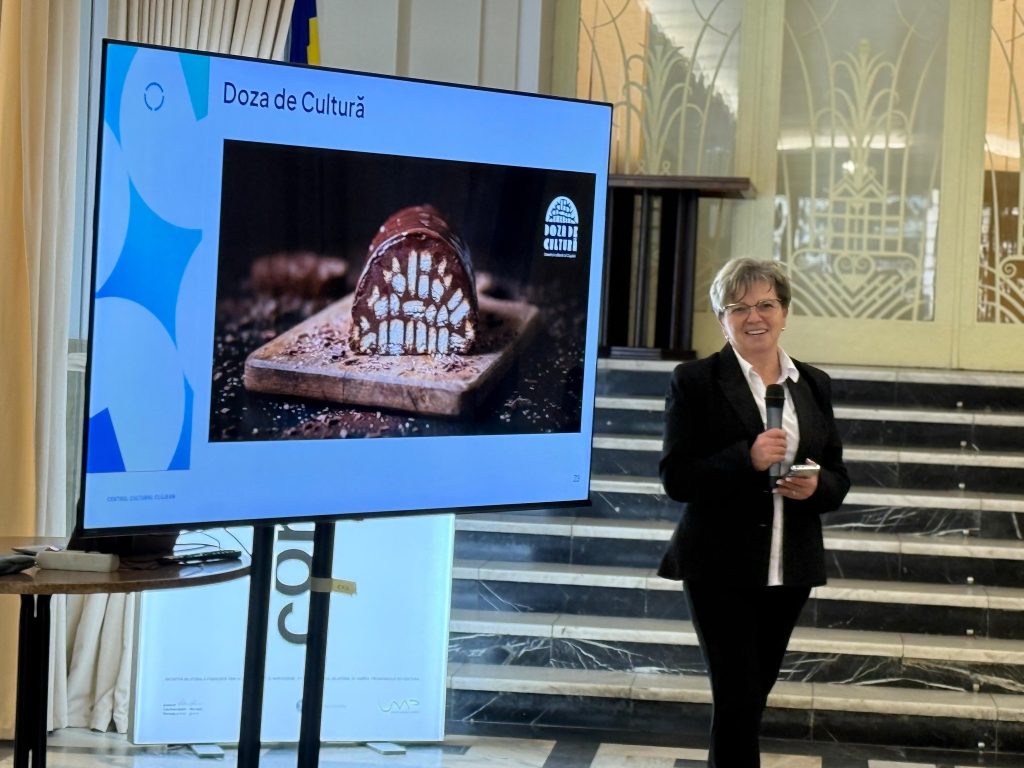
- Doza de Cultură (The Culture Dose): An initiative where 10% of proceeds from the sale of a designated “cultural dessert” are channeled into a dedicated fund for cultural projects.
The meeting concluded with a session on research, development, and public policy, analyzing how data collection can be used to influence and shape long-term cultural strategies.